

Screw Shaft
Why Choose Us
High Quality
Since it is founder, COLOWE has focused on quality and have stood out for the flexibility and attention given to every single need of each customer.
Customized services
During the design stage COLOWE study the best solutions for each customer's business, customising machines with each customer who choose COLOWE .
Professional Team
Our professional team collaborate and communicate effectively with one another, and are committed to delivering high-quality results. They are capable of handling complex challenges and projects that require their specialized expertise and experience.
Rich Experience
Our company has many years of production work experience. The concept of customer-oriented and win-win cooperation makes the company more mature and stronger.
What is Screw Shaft
The worm shaft consists of a tube or a solid rod connected to a wound spiral. The worm shaft spiral consists of divided worm coils. The most common ends of the shaft are journals on which bearings, couplings, geared motors etc. are mounted.
The main application of worm shafts is worm conveyors. A screw conveyor is a device used to transport loose materials by means of a screw shaft rotating inside the trough. The material can be moved horizontally, diagonally or vertically. Depending on the construction, screw conveyors are divided into tubular or trough-shaped conveyors - U-shaped. It is worth emphasizing that the worm shaft is also called a worm wheel or a screw shaft. The selection of the worm wheel is adjusted to the size of the screw conveyor and depends on its length and external diameter.
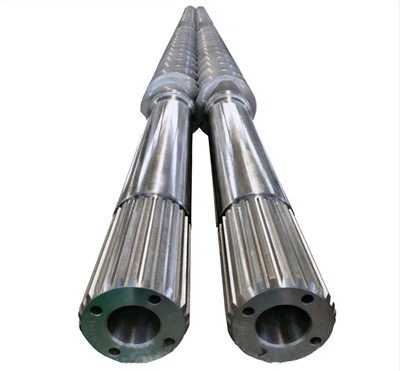
Key Components of a Screw Shaft
Threads – The threads on a screw shaft refer to the spiral dies machined on the screw shaft to enable it to fasten and hold parts together. The threads are the main working principle of the screw shafts. The screw uses its threads to lock itself in the grooves where it is fastened.
Shaft material – Shaft material refers to the material used to produce the screw shaft. Screw shafts can be made from various materials such as aluminum, iron alloys, and stainless steel. The type of material used in a screw shaft highly determines the application of the screw and the life and durability of the screw. Depending on the applications, other materials may be used to produce the screw shaft.
Nut Compatibility – Nut compatibility refers to the compatibility of a nut with its screw shaft. A nut is made up of metal with a threaded hole that secures the screw in place. Some factors that determine compatibility include its size about the screw, its threading type and material used during manufacture.

The primary function of the screw shaft is to secure parts and fixtures in place by engaging its threads into grooves where they are fastened. When selecting a screw drive for an application, several factors must be considered: thread type, length and design of the shaft. Engine parts typically use steel or steel alloy screws due to their exposure to extreme temperatures while operating under harsh conditions. Screw shafts for holding wooden blocks and plastics used in building and construction are made from softer materials such as aluminum. The design of the screw shaft also determines if the screw will drill itself to the hole, or if the holes will be predrilled.
Types of Screw Shafts
Acme screw shafts
Acme screw shafts are screw shafts that are designed to convert circular motion into linear motion. These screw shafts have triangular threads designed to work with a sliding motion. Their characteristics include:
• They do not require a braking system since they are self-locking.
• When in operation, they do not offer backlash making them ideal for operations where accuracy is important.
• Acme screw shafts do not require regular maintenance because they do not require lubrication.
• They have a very flexible design which enables them to be easily customized to fit specific conditions.
• The ACME screw shafts are used in the manufacture of motor engines because of their ability to convert vertical motion to linear motion.
Advantages
• Cost saving – The ACME screw shafts do not require regular maintenance saving costs in the long run.
• High accuracy – They have anti-backlash technology which makes them very accurate especially for vertical applications.
• Smooth operation – The ACME screw shaft makes less noise when in operation compared to other screws.
• Low maintenance – These screws lubricate themselves eliminating the need to keep lubricating them regularly.
Ball screw shafts
Characteristics and Applications
A ball screw shaft is a screw with threads on both sides. It also has a nut with ball bearings inside that runs along with the threads, creating linear motion. Compared to ACME screw shafts, ball screw shafts offer more efficiency due to their working mechanism. These shafts are commonly used in manufacturing precision devices like medical tools and high performance machines.
Advantages
Ball screw shafts are more efficient than ACME screw shafts and have a longer life cycle compared to other screw shafts.
Additionally, the reaction time of the ball screw shaft is faster than with other types of screw drives.
Ball shafts are often chosen when crafting high-performance machines due to their strength and smooth operation.
Trapezoidal screw shafts
Characteristics and applications
The trapezoidal screw shafts are designed to work where linear motion is required. They are similar to the ACME screw shafts but they conform to the generally accepted international standards (ISO). These screw shafts are used to produce gate locks or other mechanisms that require lift operations due to their interlocking operating mechanism. They are made from steel and steel alloys to ensure strength and reliability for longer use and service.
Advantages
The trapezoidal screw shafts can be modified to have trapezoidal traps which increase the efficiency of these screw shafts.
These screw shafts cost less compared to their counterparts.
They have a mechanism for self-locking which increases their efficiency further.
They are designed with trapezoidal screws which gives them a mechanical advantage over the other screw shafts.
Choosing the right screw shaft for specific applications
When choosing the type of crew shaft, you must consider the applications and the materials you will use in your project. Here we will explore the various factors you need to remember when choosing the right type of screw shaft:
• Screw shaft reliability – You must remember that when fastening a part, it is not about fastening but getting the parts to remain together for long.
• Material – Different materials require different types of screw shafts to be used. For example, the type of screw shaft used to bind wood blocks cannot be used for engine parts.
• Length – The size of the screw shaft matters for you to get a strong joint. Generally, the screw shaft should have at least half of its total length enclosed in the part that is being fastened for a stronger joint.
• Safety – You should remember that using the right screw shaft for the job ensures that the material you are joining will remain in place.
Screw Shaft Maintenance and Troubleshooting
Regular maintenance of and checking screw shafts is important because it lets you detect common problems and errors before it’s too late. You can keep your systems running efficiently without downtime by checking your systems for screw shaft wear and tear.
Thread wear: Thread wear is mainly caused by vibrations and regular fastening and unfastening of screws. Vibrations in the fastened parts make the screws and the nuts turn at different speeds. This movement causes the threads to wear. Symptoms of treadwear include leakages and loose screws.
Lubrication issues: Lubrication issues occur when a blockage in the lubrication system blocks the way of the lubricant. This issue might also occur when you fail to lubricate your screw shaft regularly. Common symptoms include hardening of the screws when you try to turn, and the screw failing to properly fit in its groove perfectly.
Shaft misalignment: Shaft misalignment is the deviation of alignment angles between two parallel shafts. This means that two shafts which are supposed to fit perfectly together misalign. Loose bearings, loose screws and loose couplings might cause this. Some of the observable symptoms include increased vibrations or wobbling of the shafts, oil leakages between the bearings and loose bolts and shaft screws.
Visual inspection: Visual inspection includes observing the parts being inspected for leakages, loose connections and signs of wear and tear on the screws in the parts.
Measurements and clearances: When taking measurements and clearances of your screws and shafts, you need accurate and specialized measurement tools such as:
• The dial gauge – This is used to take micro measurements and has a range of 0-10 mm
• Paper Gauge – These are plastic strips that are used to take minute measurements such as bearing gaps.
• Feeler gauge – This has a range of 0.5 to 5mm and can be used to measure valve clearances and piston ring clearances.
• Dial caliper – This is the normal caliper but with the modification of a dial for easier reading. It is used to measure small clearances of up to 150 mm.
Vibration and noise analysis:This method detects small noises and vibrations in a system and presents them in terms of their amplitudes. This method uses a vibration monitor system which is the device that detects and presents these amplitudes.
Thread restoration
There are two types of threads. Internal threads and external threads. To restore these threads, you need a core hole drill and die taps available in sets for both internal and external threads. With these tools, you can conveniently restore the threads on your screws. In addition, you can use special files to manually restore your screw threads.
Lubrication System Maintenance
To ensure the lubrication systems remain operational, regularly inspect them for blockages or leakages. Restoring blockages requires cleaning the lines with acetone, and making sure there is always enough lubricant present.
Replacement of Damaged Components
If you find that some components are beyond repair and cannot be fixed, replacing the parts is your best course of action. Make sure you purchase from licensed sellers or sources for cheap aftermarket parts from trusted sources.
Best practices for extending screw shaft life
Maintaining your screw shafts for maximum longevity is essential to guarantee the smooth running of your systems at all times. One practice you can adopt is regular checking and maintenance to monitor for errors or faulty components in your system; another method involves fast replacement when needed. Furthermore, having appropriate tools available helps with routine upkeep and part replacement; finally, choosing suitable materials for your screw shaft ensures optimal service life expectancy.
Performance Screw Shafts and Upgrades

Specialty materials for high-performance applications
When you are looking for upgrades for your screw shaft to fit high performance applications, the first thing is to look for screws made from materials with a reputation for strength and tolerance. Steel and titanium are some of the top materials in this category. Depending on the applications, you can also choose to go for tempered steel and other suitable steel alloys.
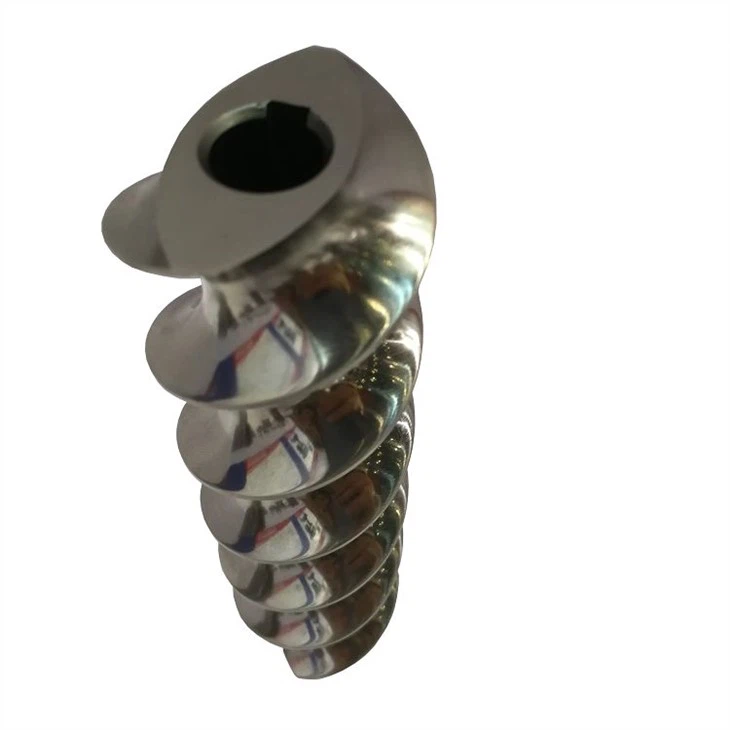
Preloaded nuts and reduced backlash solutions
Some high-performance applications require that you use preloaded nuts and reduced backlash solutions. Preloaded nuts are nuts the manufacturer provided to fit that particular application. The other solution is using screw shafts that have backlash solutions, such as the ball screw shaft. This particular screw shaft can automatically detect and correct when a backlash occurs in the system.

Custom thread profiles for specific applications
The other solution is using specific thread profiles for the specific application. There are many other thread profiles available that I did not mention. You can also have your own thread design custom-created for your application in case the standardized thread profiles do not suit you.
Anti-corrosion coatings and treatments
Anti-corrosion treatment refers to coating your screw shaft with the suitable coating to prevent corrosion. Some of the most common anti-corrosion coatings and treatments include coating, electoral plating, and chemical plating.
Screw Shaft Design and Engineering
Thread profiles and selection
Thread profiles are determined primarily by the thread’s diameter, angle, shape and size. These elements combine to form basic characteristics that determine thread profiles. Common options include V, square and Acme threads. These threads are tapered into the screw shafts through CNC machining for its accuracy and precision.
Lead and pitch considerations
When selecting a screw shaft, it is important to take into account both lead and pitch. Lead refers to how far the screw covers when turned 360deg while pitch measures distance between two threads on the shaft. These factors affect grip of the screw shaft as well as joint quality.
Materials selection and its influence on screw shaft performance
Materials selection plays an integral role in designing and fabricating screw shafts. Common materials include stainless steel, iron and steel alloys. Which material you choose will determine its strength and durability; some materials such as aluminum or carbon composites may be appropriate for light load projects involving soft materials whereas steel and steel alloys offer superior tensile strength when it comes to high performance or big load applications.
Load capacity and life expectancy calculations
Load capacity refers to the total amount of load a screw shaft should support before its useful life ends, which helps determine when to replace it. Load capacity calculations are important because they help determine the best type and material for your screws, thus cutting down on operational costs in the long run.
Lubrication requirements and best practices
Lubricants are vital for your screw shafts since they reduce friction, enable easy separation between the screw and nut, and transfer heat.
Clearing and Preventing Corrosion
Selecting the proper lubricant for your screw nuts is essential to their operability, durability and efficiency. Different screw shafts require different kinds of lubricants; make sure you select one that works best with yours.
Backlash and its influence on system performance
Backlash refers to the gap that forms when two components don’t fit perfectly when assembled. It can cause loose joints, leaks and power loss in your system if left unchecked. When selecting screw shafts for your application, consider backlash; CMC Machining doesn’t use lead screws because they allow software compensation of backlash thus maintaining accuracy and precision.
Our factory
Established in 2014,COLOWE is recognized one of China's poineer for twin screw extruder,banbury kneader compouding machine,two-stage screw compounding extruder,three screw compuding machine.since it is founder, COLOWE has focused on quality and have stood out for the flexibility and attention given to every single need of each customer.During the design stage COLOWE study the best solutions for each customer's business, customising machines with each customer who choose COLOWE .

FAQ
