

2026 Polymer Processing: What Factories Are Actually Struggling With — And Our Twin-Screw Solutions
We've spent a lot of 2025 walking through factories. Not just showrooms, not sales photos, but real production halls in Europe, North America, Southeast Asia, and the Middle East. We sat down with owners, production managers, and the guys who run the machines shift after shift. And after talking to hundreds of operators, one thing became super clear:
The industry is growing.But the daily problems on the floor? They're staying almost the same.
We've been building twin-screw granulators and twin-screw extruders for over 20 years. We know what works in a factory, what doesn't, and what keeps people up at night worrying about production. This year, we're releasing an updated line of extrusion machines based directly on what we've heard from workers and managers across the globe.
2026 has brought new industry rules, higher energy costs, and a sharp rise in the variety of materials being processed. Factories are running recycled PP/PE flakes, highly filled compounds, masterbatch, engineering plastics like PA/PC/ABS, and even biodegradable blends such as PLA/PBAT. Standard machines built years ago just can't handle this diversity anymore.
The result?A lot of manufacturers are fighting the same four issues every single day.
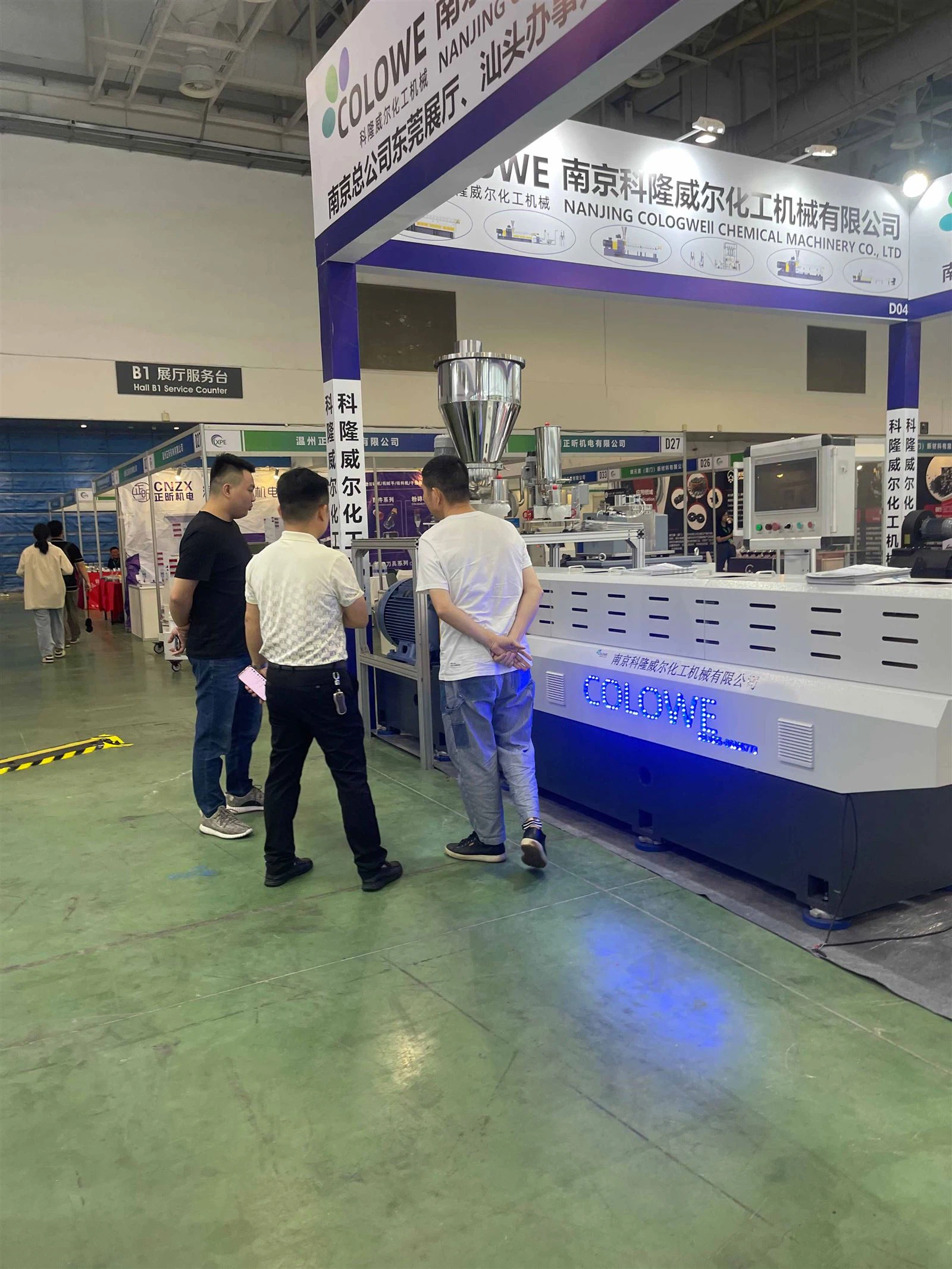
First problem: unstable pellet quality.It's something we hear about constantly. Many standard extruders don't feed evenly, mixing is inconsistent, and temperature control isn't precise. The pellets come out weird - too big, too small, not uniformly dense, even discolored or burnt.
This means waste. It means rework. It means calling down customers because the batch doesn't meet standards. For export-focused businesses, this is dangerous. Long-term partnerships can suffer from even a few bad runs.
Second problem: energy bills that kill margins.Old lines waste power like it's free. The heating systems are inefficient, the screw and barrel setups not optimized for modern materials. For a plant running 24/7, that's a huge monthly cost. Even a 10% reduction in energy use can mean tens of thousands in savings each year, but most machines on the market just don't deliver that.
Third problem: downtime that stops business.Cheaper components wear out fast. Gearboxes seize, screws wear, barrels degrade. When breaks happen, waiting for spare parts or overseas technicians can take days. Production halts, orders are late, customers get angry - and the factory owner is the one left fixing the mess.
Many factory managers told us they simply avoid big orders because they can't rely on their equipment to stay running. That's a serious limitation.
Fourth problem: inflexibility that keeps businesses small.Workhops need to switch between materials. Recycled plastic one day, masterbatch the next, modified plastics the day after. But standard granulators take hours to adjust, require frequent part changes, and slow down production.
This makes high-value, small-batch jobs difficult to take. Factories end up stuck in low-margin runs, and that's where the real money is lost.
These are not industry theories.They are real, daily, costly problems that we've seen in factories across three continents.So we built our 2026 twin-screw granulator and extruder line to fix them - no theory, no flashy parameters, just solutions that work on the production floor.
Our machines start with a strong, high-torque gearbox. Under heavy loads, it doesn't stumble, doesn't dip in pressure, doesn't cause fluctuations that ruin mixing. The screws and barrels are made from hardened alloy steel with wear-resistant treatment. They last longer, stand up to recycled materials and abrasives, and reduce the number of replacements.
For energy savings, we use smart heating systems and servo controls that only use power when it's really needed. Early customers are seeing 18 to 22 percent lower energy bills. That's real money going back to their bottom line.
Operation is kept simple, too. The PLC panel lets workers save material recipes, switch jobs quickly, and spot issues early. New operators can learn the basics in a day - no extensive training required. We also build fully customized lines, matching screw L/D, feeding systems, pelletizing methods, and cooling to your actual materials and output.
We know overseas customers hate waiting for support. So we stock spare parts in regional warehouses and have local engineers ready for installation, commissioning, and fast fixes. We don't want your production to sit idle because we're slow to help.
In 2026, the polymer industry is moving toward smarter, greener, more stable production. Factories don't need complex machines that break the bank. They need equipment that runs steady, makes consistent pellets, saves energy, and keeps going - no surprises, no headaches.
Our twin-screw granulators and extruders are built for that.Whether you're running recycling, masterbatch, engineering plastics, or cable materials, we can build a line that fits your real workshop, your real materials, and your real goals.
If you're tired of unstable pellets, high energy costs, frequent downtime, or machines that can't keep up, talk to us. Tell us what you process, how much you need to produce, and what's been bothering you on the floor. We'll give you straight answers and practical solutions.
That's how we build machines.
That's how we help factories.
That's how we grow together.


