

How To Choose 35/50/60 Twin Screw Extruders For Masterbatch Production
For masterbatch factories all over the world, picking the right twin screw extruder is not just a purchase decision-it directly affects daily product quality, production stability and long-term operating costs. After years of on-site production verification, 35, 50 and 60 twin screw extruders have become the most commonly used models in the masterbatch industry. Most small and medium-sized manufacturers choose 35 or 50 machines for daily production, while large-scale factories use 60 machines as their core high-capacity equipment. As a professional twin screw extruder manufacturer based in Nanjing, Nanjing Kelongweier Chemical Machinery Co., Ltd. has been focusing on masterbatch special extrusion equipment for years, and we know exactly what each model is good for through thousands of customer cooperation cases. This article shares practical, no-nonsense selection tips for these three models, based on real production scenarios, to help global masterbatch producers pick the most suitable equipment.
The 35 twin screw extruder is made for small-batch production and laboratory formula testing. It's compact, takes little workshop space, and is super easy to operate and adjust. This model is perfect for start-up masterbatch factories, research labs, or factories that take many small, customized orders. When testing new color formulas or new additive ratios, the 35 machine wastes very little raw material, which helps small businesses control trial costs. Its hourly output is between 50kg and 200kg, not designed for large-scale production, but it's flexible enough to switch between different masterbatch formulas quickly. We have many small customers in Southeast Asia using this model-one Vietnamese masterbatch workshop used to struggle with poor color dispersion and high material waste on general equipment, after switching to our 35 twin screw extruder, their color uniformity got much better, and trial waste dropped by nearly 30%. With low upfront cost and simple daily maintenance, the 35 machine is the best entry-level choice for small and new masterbatch businesses.
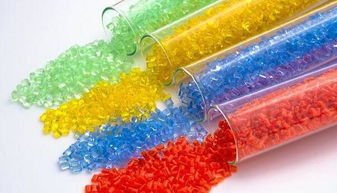
The 50 twin screw extruder is the most popular mainstream model in the global masterbatch industry, and it's the go-to choice for most medium-sized factories. It hits the perfect balance between output, mixing performance and energy use, working well for conventional color masterbatch, filler masterbatch and most functional masterbatch. Its hourly output ranges from 200kg to 800kg, which can meet the continuous production needs of most medium-scale workshops. Compared with the 35 model, it has stronger shearing and mixing power, so pigments and fillers spread more evenly in the carrier resin, avoiding common problems like color spots, streaks or uneven tint. The 50 machine is also durable-screws and barrels wear slowly, and it rarely breaks down during long running hours. A Malaysian masterbatch customer we worked with used to have low efficiency and unstable quality with their old equipment; after installing our customized 50 twin screw extruder, their production efficiency went up 40%, and the qualified rate of finished products reached over 99%. For most masterbatch producers, the 50 model is the most cost-effective option, with stable performance and low long-term maintenance costs.
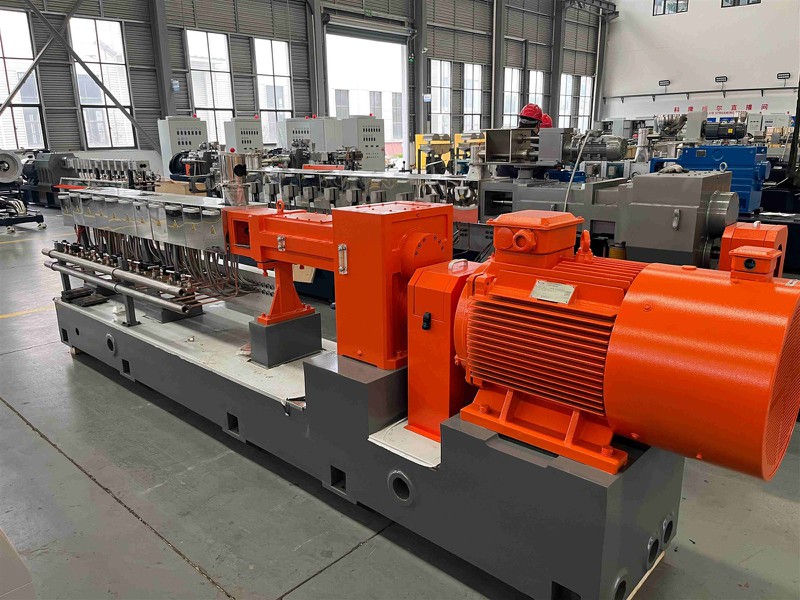
The 60 twin screw extruder is the largest standard model for masterbatch production, built for large factories with high-volume, long-term production needs. Its hourly output can reach 800kg to 1500kg, designed for continuous mass production. Even though it costs more upfront than the 35 and 50 models, it cuts down unit production cost a lot when running at full capacity. This model has a higher-torque transmission system and optimized screw design, so it can handle masterbatch with high filler content without losing dispersion quality. It's ideal for large production bases with stable, large orders. We provided a 60 twin screw extruder line to a big masterbatch factory in India that wanted to expand production; after putting it into use, their total output doubled, and labor and energy costs per kilogram of masterbatch dropped significantly. For large enterprises with steady market demand, the 60 model is the best choice to boost capacity and improve market competitiveness.
When choosing between these three models, there are a few simple but important details to check. First, the L/D ratio (length to diameter) of the extruder-for masterbatch, 40:1 to 48:1 is the best range, as it gives enough time for pigments and fillers to mix evenly. Second, temperature control accuracy-masterbatch raw materials are sensitive to high temperatures, so precise multi-zone temperature control prevents material degradation and color change. Third, screw and barrel material-for filler masterbatch, which is more abrasive, wear-resistant materials extend the equipment's service life and reduce maintenance times.
At Nanjing Kelongweier, we don't just sell standard 35, 50 and 60 twin screw extruders-we customize them based on each customer's masterbatch formula and production needs. We adjust the screw combination, feeding system and pelletizing device to make sure the equipment fits the customer's actual production. Our masterbatch extruders are sold to more than 50 countries and regions, and customers trust us for stable performance and practical after-sales support. We don't use complicated technical jargon to confuse buyers; we just provide equipment that solves real production problems.
To put it simply, the 35 model is for small batches and lab testing, the 50 model is for daily mainstream production, and the 60 model is for large-scale mass production. There's no "best" model, only the most suitable one for your production scale. Choosing the right extruder will make your masterbatch production more stable, reduce costs and improve product quality.
If you're not sure which model fits your masterbatch production, or need customized equipment suggestions, feel free to contact Nanjing Kelongweier. We'll share real customer cases, provide detailed equipment parameters and tailored solutions, to help you pick the right twin screw extruder for your business.


