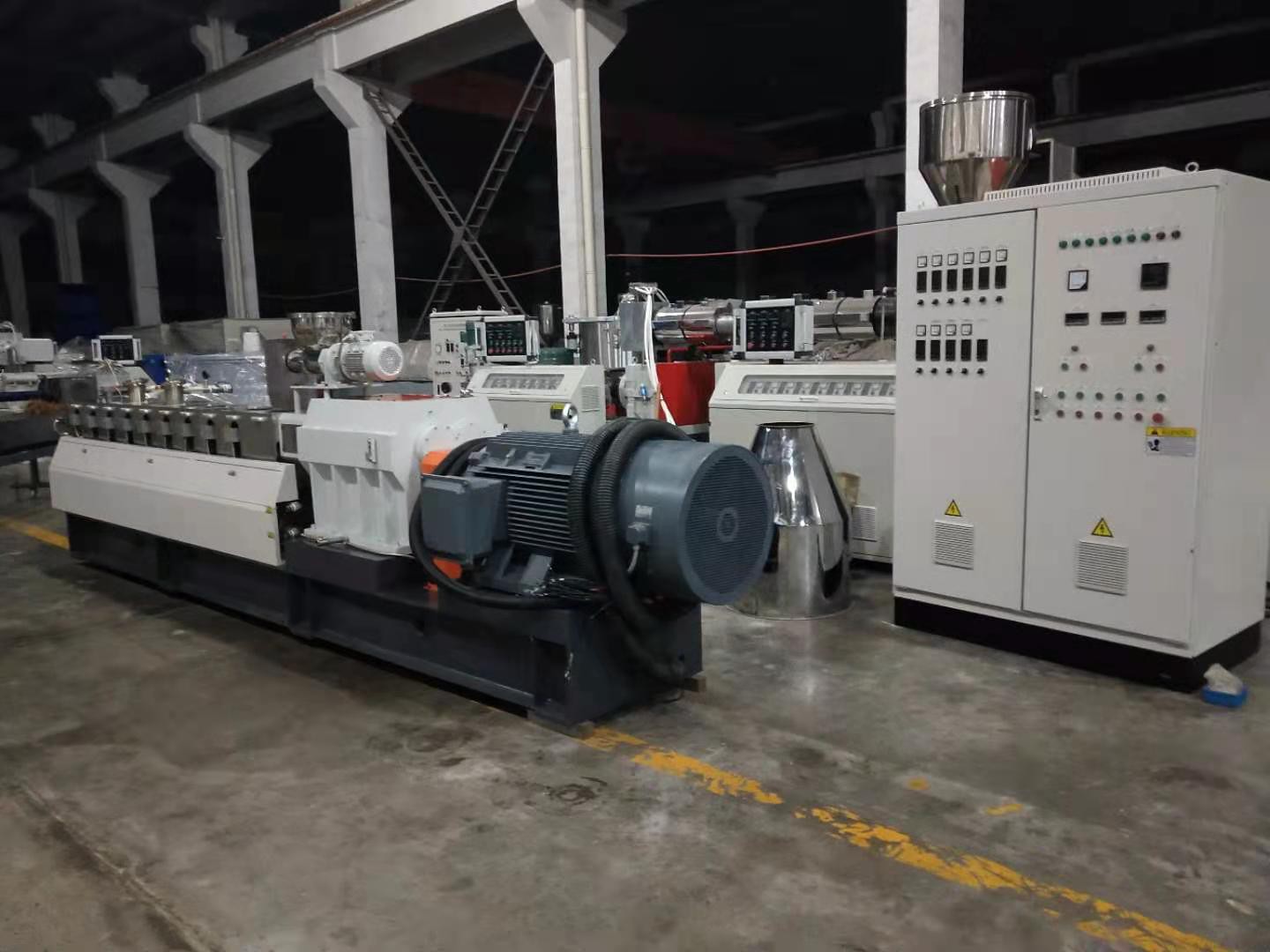
Principle, Superiorities And Uses Of Co-rotating Twin-screw Extruder
The co-rotating twin-screw extruder has become the preferred technology for modern plastics compounding, recycling and masterbatch production. In these machines, both screws rotate in the same direction, resulting in excellent mixing, self-cleaning action and process flexibility, while a single screw or counter-rotating system is often not matched. Global demand for co-rotating twin-screw extruders remains strong as the industry drives higher quality recycled materials, filler compounds and specialty polymers.
How Co-Rotating Twin Screw Extruders Work
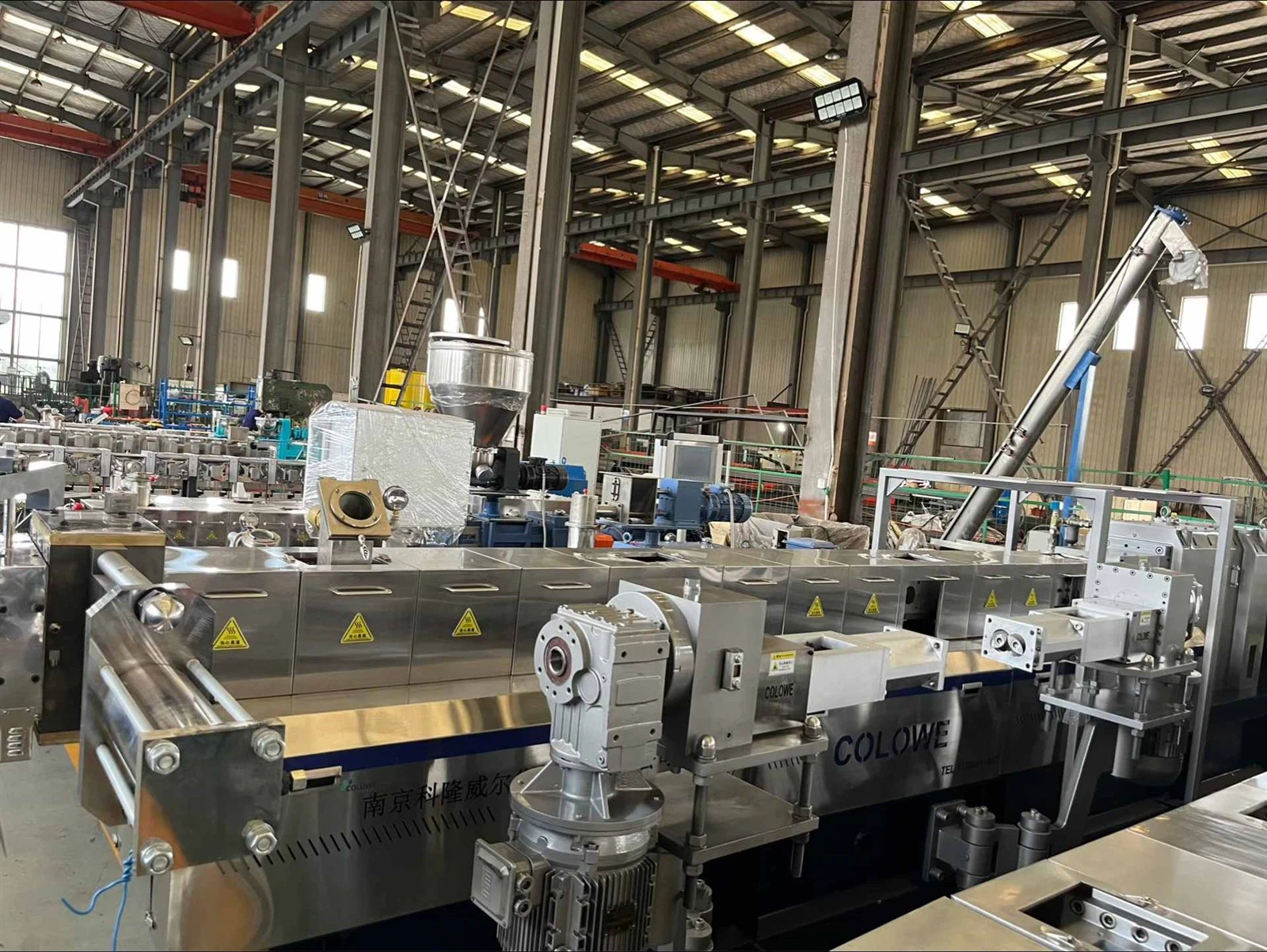
In a co-rotating system, two parallel screws rotate in the same direction (usually clockwise when viewed from the drive end). The intermeshing screw profiles create an eight-bit flow pattern that continually updates the material surface. This design provides robust dispersion and dispersion mixing, while providing good transmission efficiency.
The main technical features include:
Modular screw and sleeve design - allows simple reconfiguration for different processes.
High L/D ratio - typically 32 to 68:1 for extended residence time and better devolatilization.
High Torque and RPM Capability - Modern models typically have torque densities of 800 – 1800rpm.
Automatic piping action - reduces material build-up and allows faster cleaning between production runs.
The reason why the co-rotating twin-screw extruder stands out is:
Excellent mixing properties of additives, fillers and reaction processes.
Good ventilation and devolatilization are essential for disposal of wet or volatile materials such as recycled PET.
Higher throughput and energy efficiency in many composite applications.
Greater flexibility through side feeders, multiple vents and modular elements.
More suitable for thermal or high viscosity materials when properly configured.
The co-rotating extruder typically provides higher speeds, better overall mixing, and easier operation than the reverse-rotating model for most composite and recirculation tasks, while the reverse-rotating system is sometimes preferred for specific profile extrusion or very gentle conveying needs.
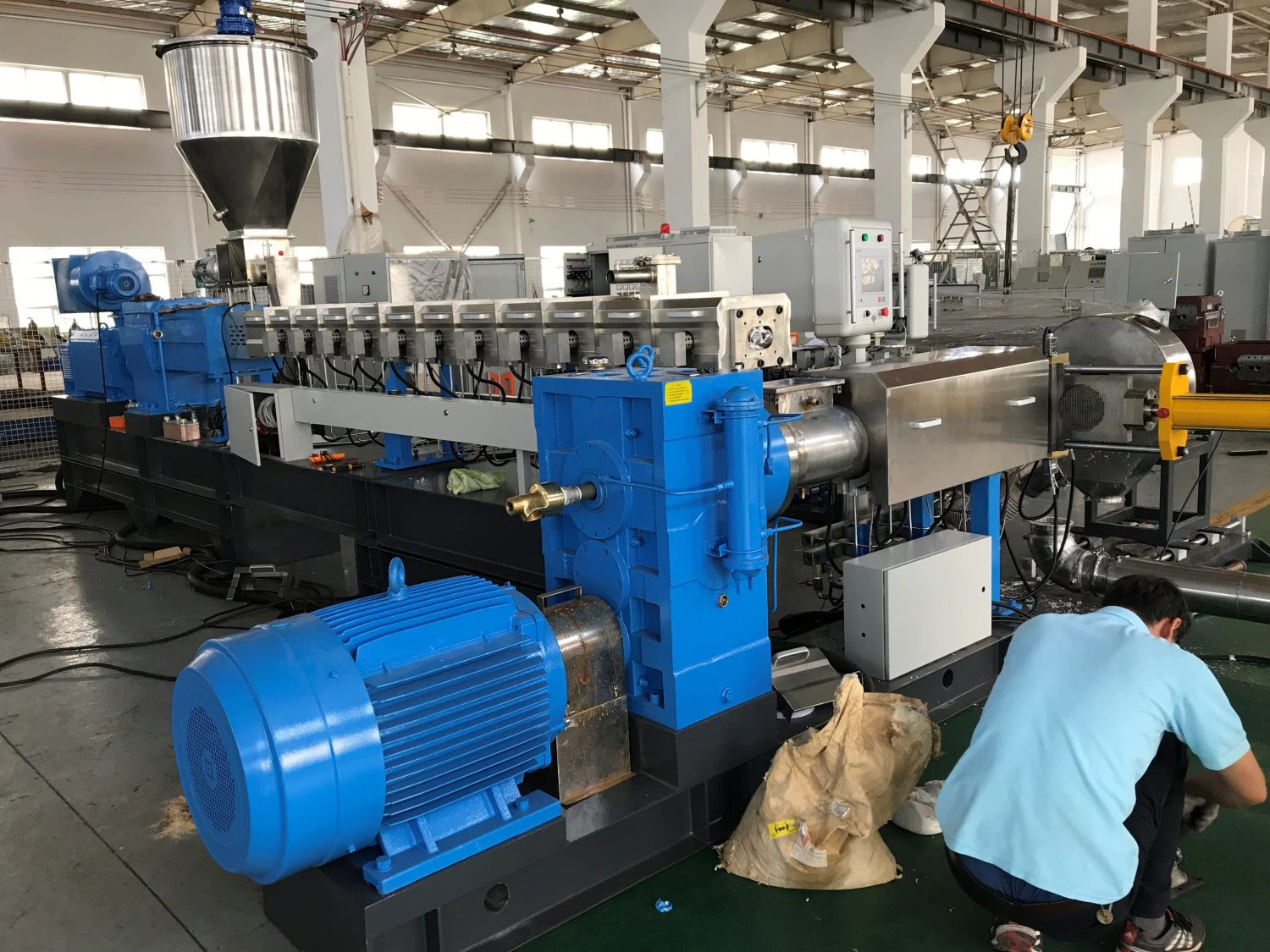
Critical application program
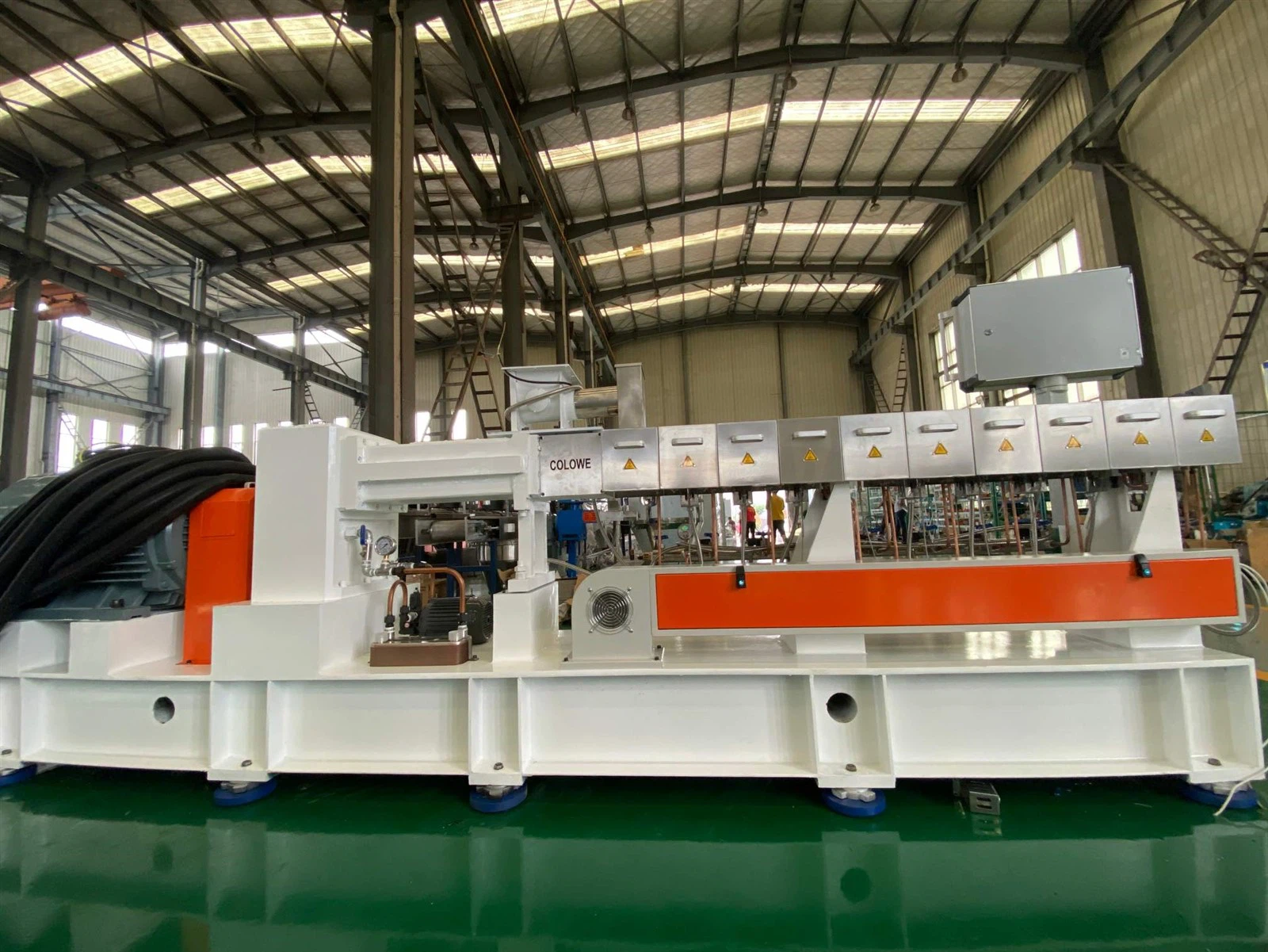
The co-rotating twin-screw extruder is widely used in:
Recycling of plastics - particularly PET, HDPE and reprocessing of engineering plastics.
Master and Color Mix - For uniform pigment and additive dispersion.
Engineering Plastics Modification - Glass Fiber, Carbon Fiber, Flame Retardant and Mineral Fill.
Reaction extrusion - grafting, chain extension and polymer modification.
Biodegradable material processing.
Special applications in pharmaceutical, food and chemical industries.
Its ability to handle variable raw materials and maintain material properties makes it essential for circular economy projects.
Buyers typically evaluate torque density, specific energy consumption, helical element options, pelletizing systems (water rings, underwater, steel strands), and automation functions. Reliable manufacturers also offer strong after sales support, spare parts availability, and the option of conducting material testing prior to purchase.
At Bell Machinery, we focus on providing practical, high performance, co-rotating twin-screw extruders for recycling and compounding needs and have delivered them successfully to customers in Europe and elsewhere.
If you are looking for a reliable co-rotating twin-screw extruder solution, please do not hesitate to contact our team. Share your target material, output capacity or specific process requirements – we are pleased to recommend the most suitable configuration and schedule factory testing.
Our knowledge base keeps us up-to-date with more industry insights and equipment updates.