Twin Screw Extruder: Powering Modern Manufacturing
In today's fast-paced manufacturing industry, twin-screw extruders, with their versatility, are indispensable for processing plastics, polymers, food, pharmaceuticals, and advanced materials. Whether you're formulating custom plastics or manufacturing high-performance composites, this technology delivers consistent quality, high throughput, and superior mixing results that are difficult to achieve with single-screw systems.
As industries increasingly pursue greater efficiency, sustainability, and material innovation, understanding twin-screw extruders has become essential knowledge for engineers, production managers, and business owners.
What exactly is a twin-screw extruder?
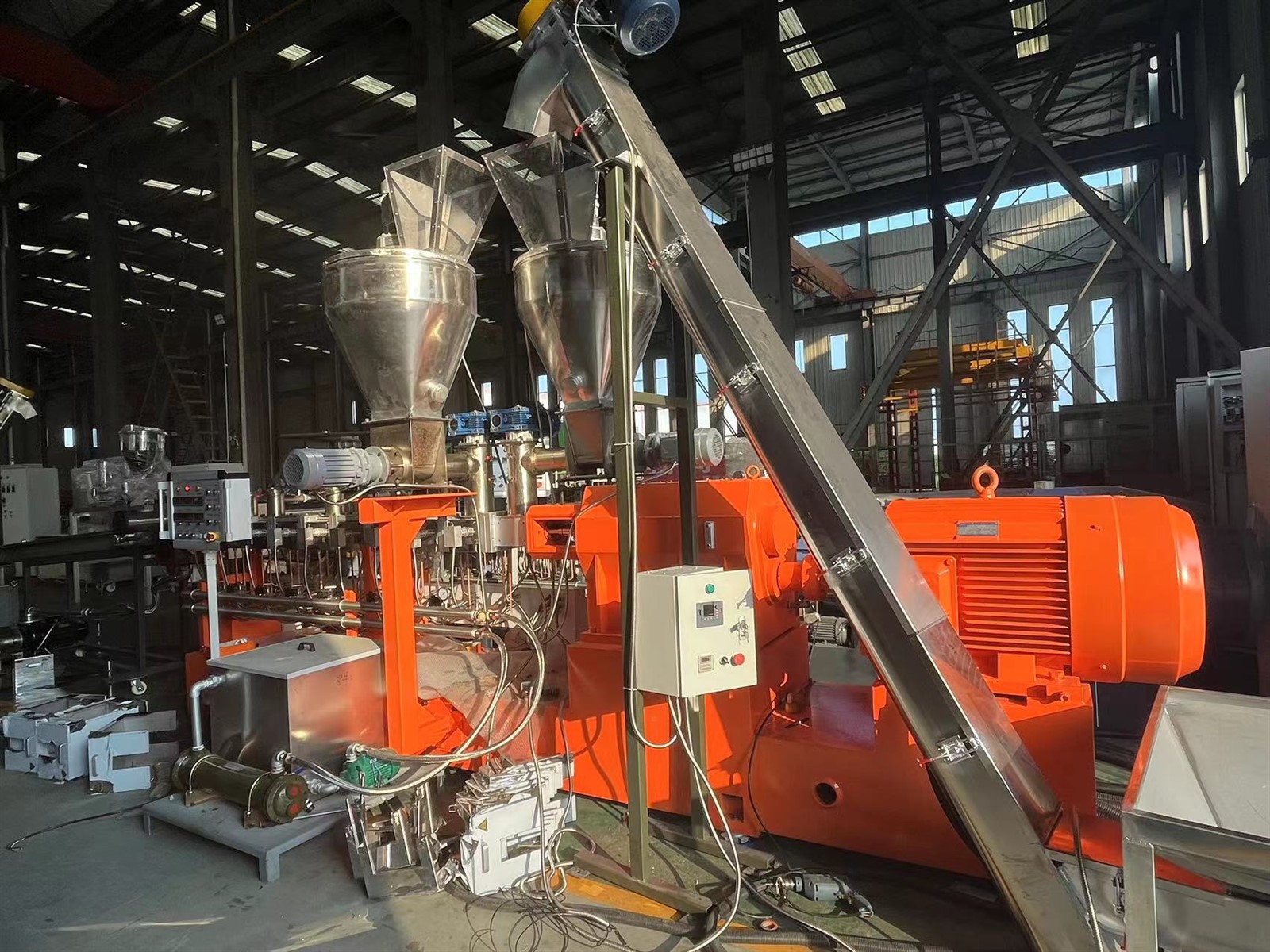
A twin-screw extruder consists of two parallel screws rotating within a heated barrel. These two screws can rotate in the same direction (co-rotation) or in opposite directions (counter-rotation), and they can be closely meshed or spaced further apart.
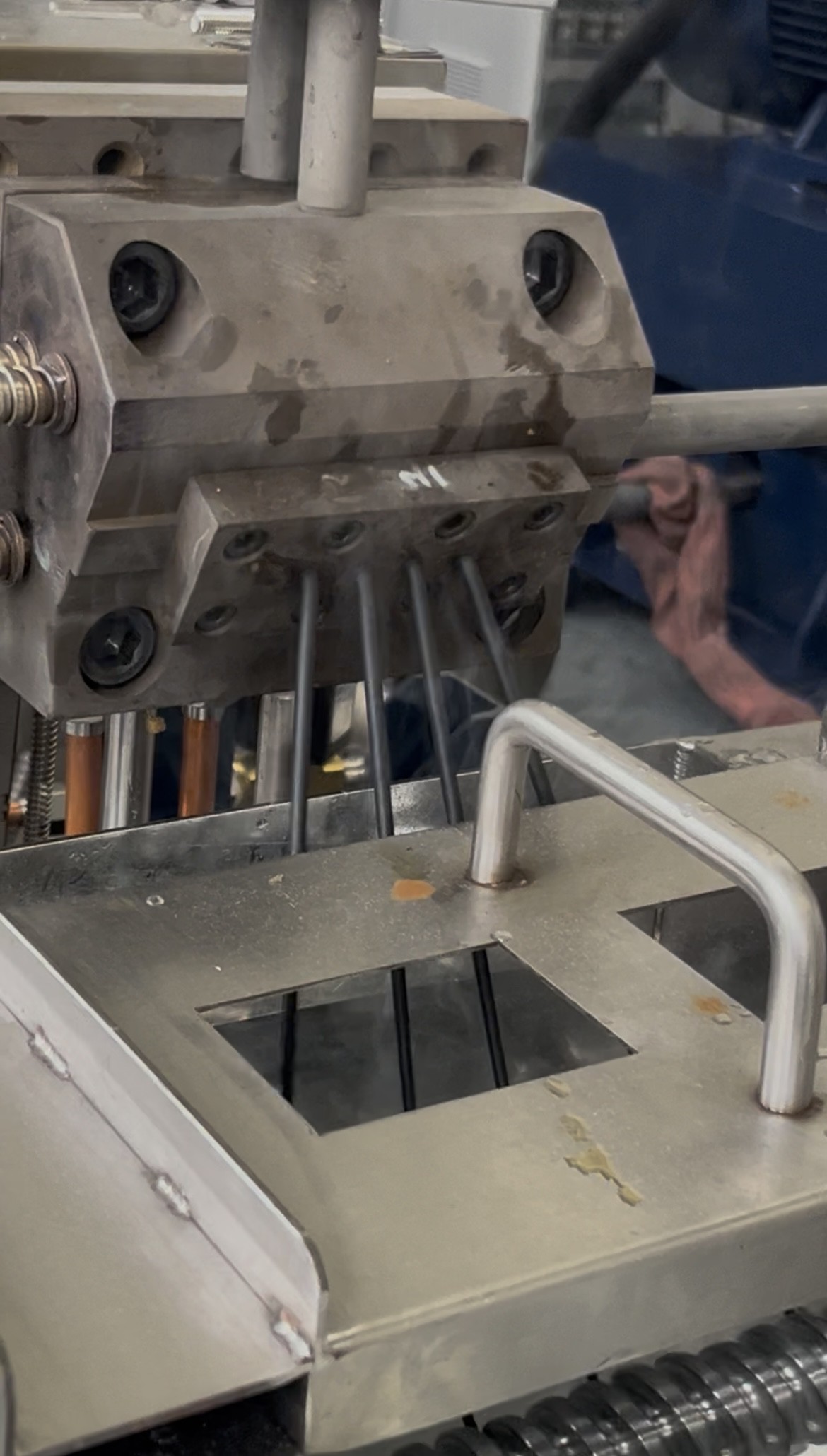
Raw materials-granules, powders, flakes, or additives-enter the extruder through the feed hopper. As the screws rotate, they convey, melt, mix, and pressurize the material, then push it through the die to ultimately form products such as granules, sheets, or profiles. This device generates positive displacement, allowing operators better control of the production process compared to single-screw designs that rely primarily on friction.
The secret lies in the interaction between the two screws. In a co-rotating meshing screw, the screws self-clean during rotation, constantly rubbing against each other to reduce material buildup. This achieves excellent, uniform dispersion and mixing.
The material moves in the following different zones:
1. Conveying section: Forward transport of material.
2. Melting/Plasticizing section: Melting the polymer with heating and shear force.
3. Mixing section: Dispersing additives from high-shear kneaded lumps.
4. Volatile removal section: Vacuum port removes moisture or volatile substances.
5. Metering/Discharge section: Builds pressure for stable output.
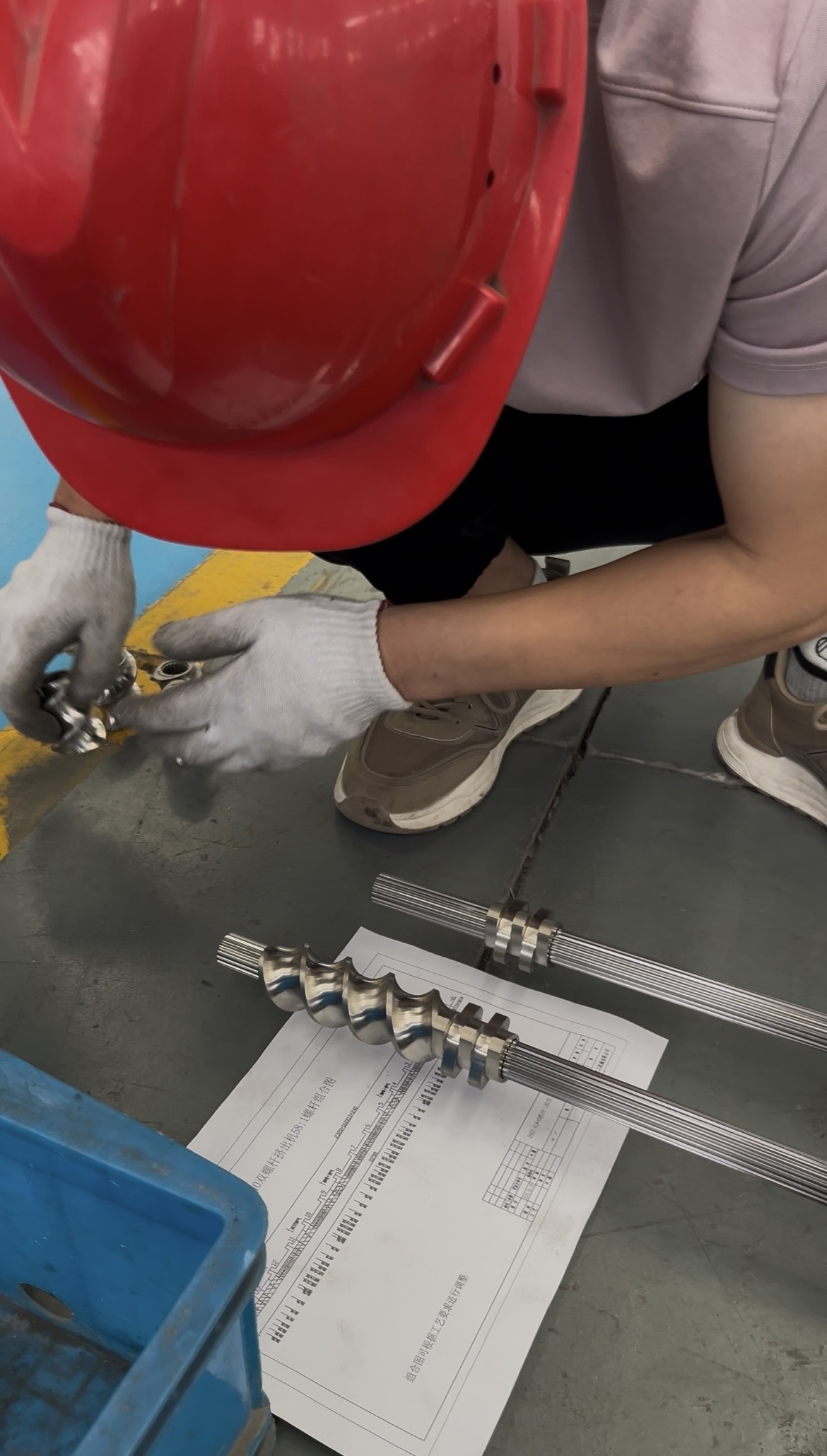
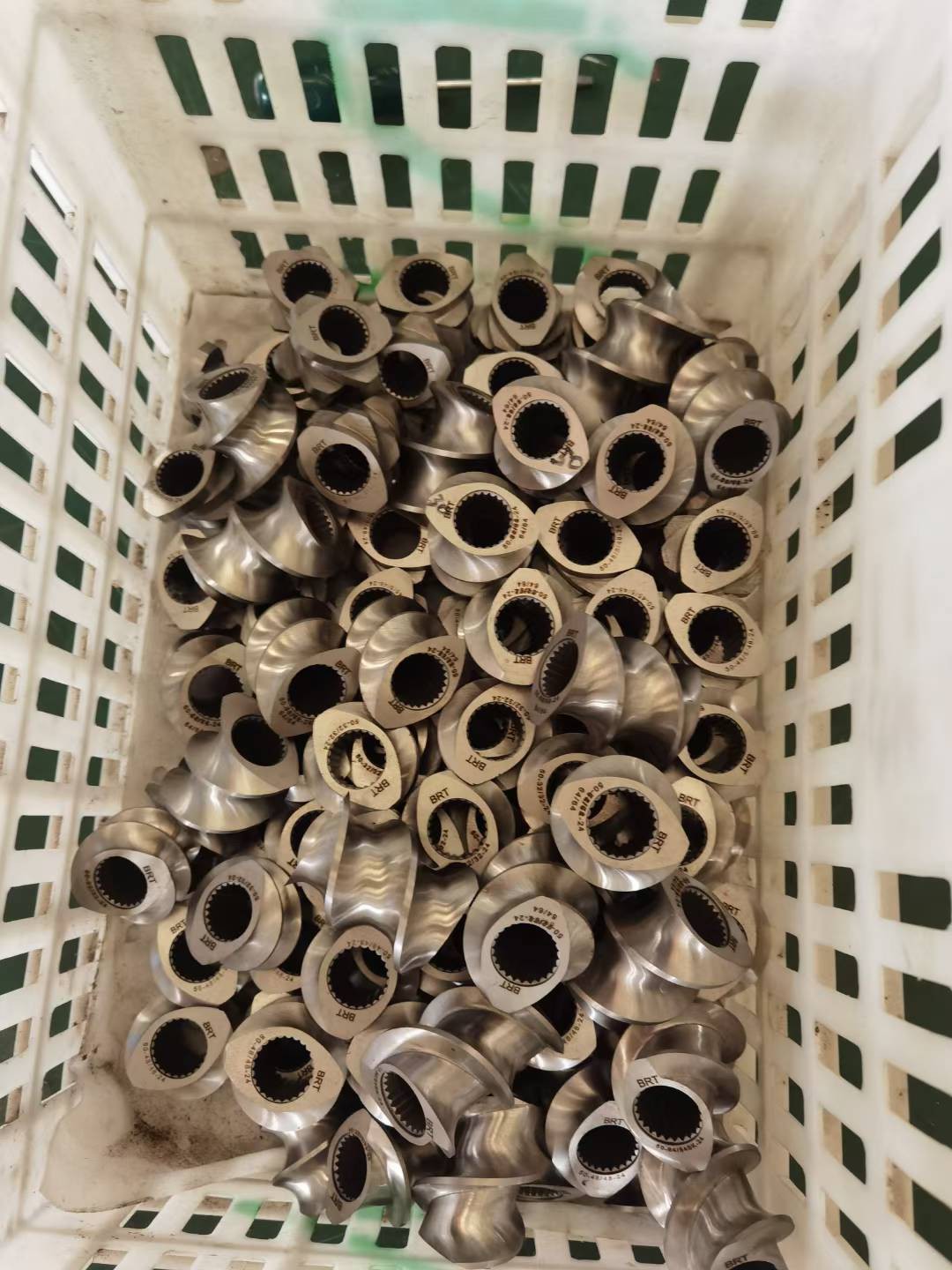
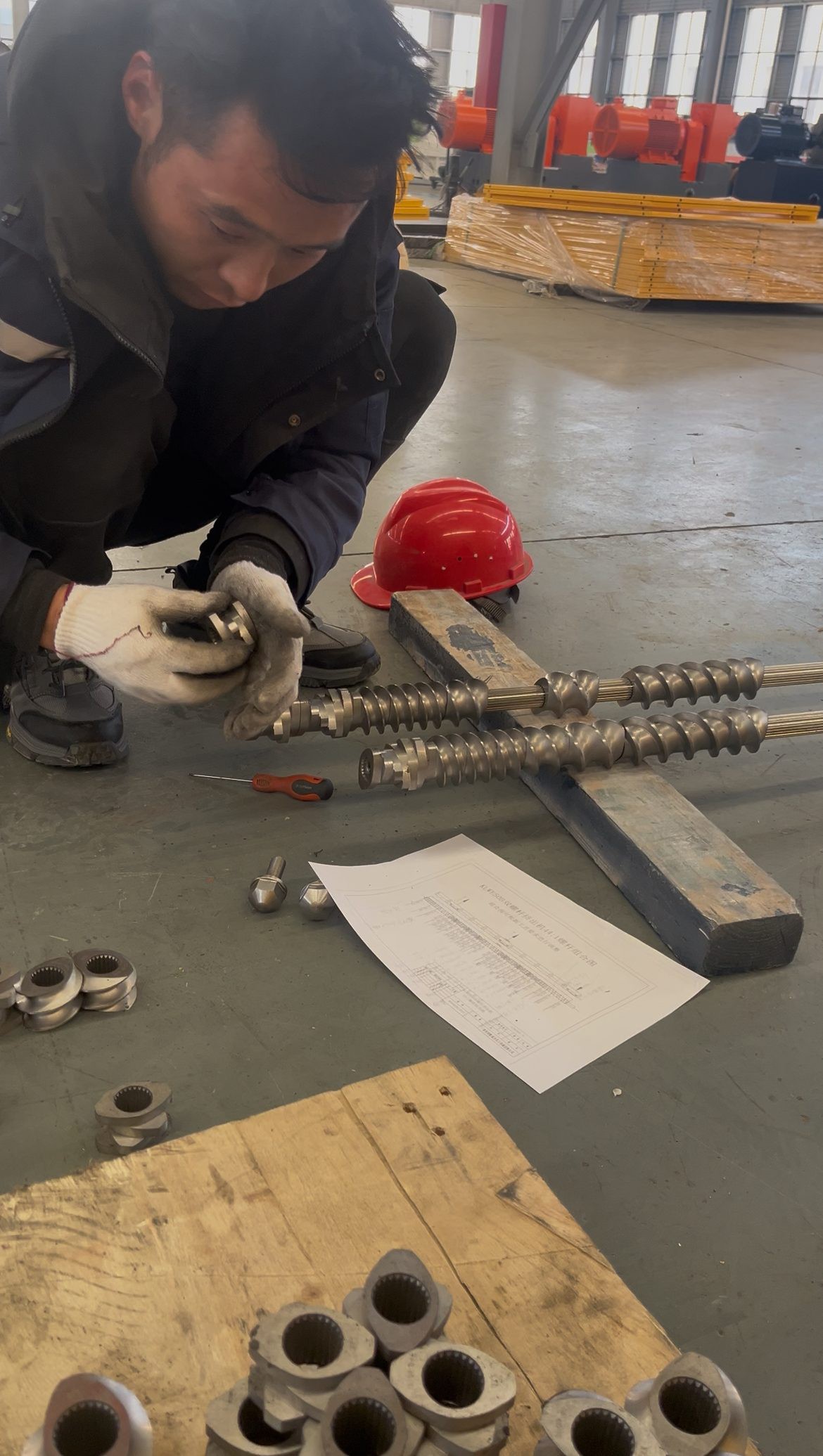
Modern extruders typically employ modular screw elements, allowing for rapid reconfiguration to adapt to different operations.
Twin-Screw Extruders vs. Single-Screw Extruders: Why the Differences Matter
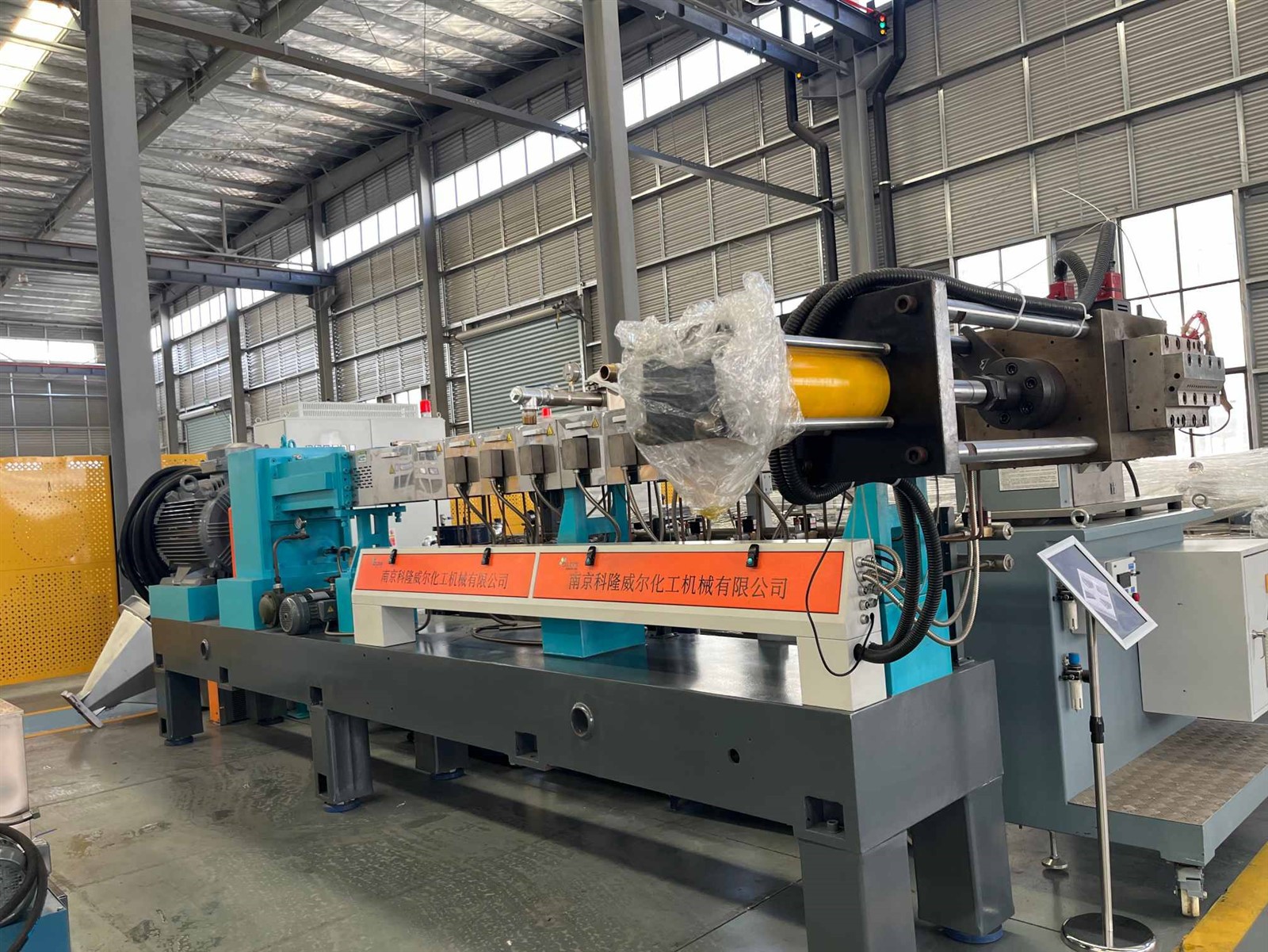
Single-screw extruders remain popular for simple, high-volume operations (such as basic pipe or sheet extrusion) due to their lower cost and ease of operation. However, they rely heavily on the drag flow and can struggle with poorly fed materials, complex mixing, or reactive processes.
Twin-screw systems excel when you need:
Superior mixing of fillers, fibers, or reactants.
Better handling of heat-sensitive or powdery materials.
Greater flexibility and self-cleaning capabilities to accommodate frequent product changes.
More precise control over residence time and shear force.
Many manufacturers find that while twin-screw extruders have a higher upfront cost, they deliver greater long-term value through higher product quality and less waste.
Co-rotating: Most commonly used for mixing and masterbatch production. Excellent mixing and self-cleaning capabilities.
Reverse-rotating meshing type: Commonly used for PVC profiles and pipes, providing strong conveying force and reducing shear force.
Non-meshing type (parallel or conical): Suitable for specific devolatile matter or high-volume production tasks.
High-speed or high-torque type: Designed for maximum production efficiency in demanding applications.
Diameter, length-to-diameter ratio (L/D), and specific torque all affect performance and scalability.
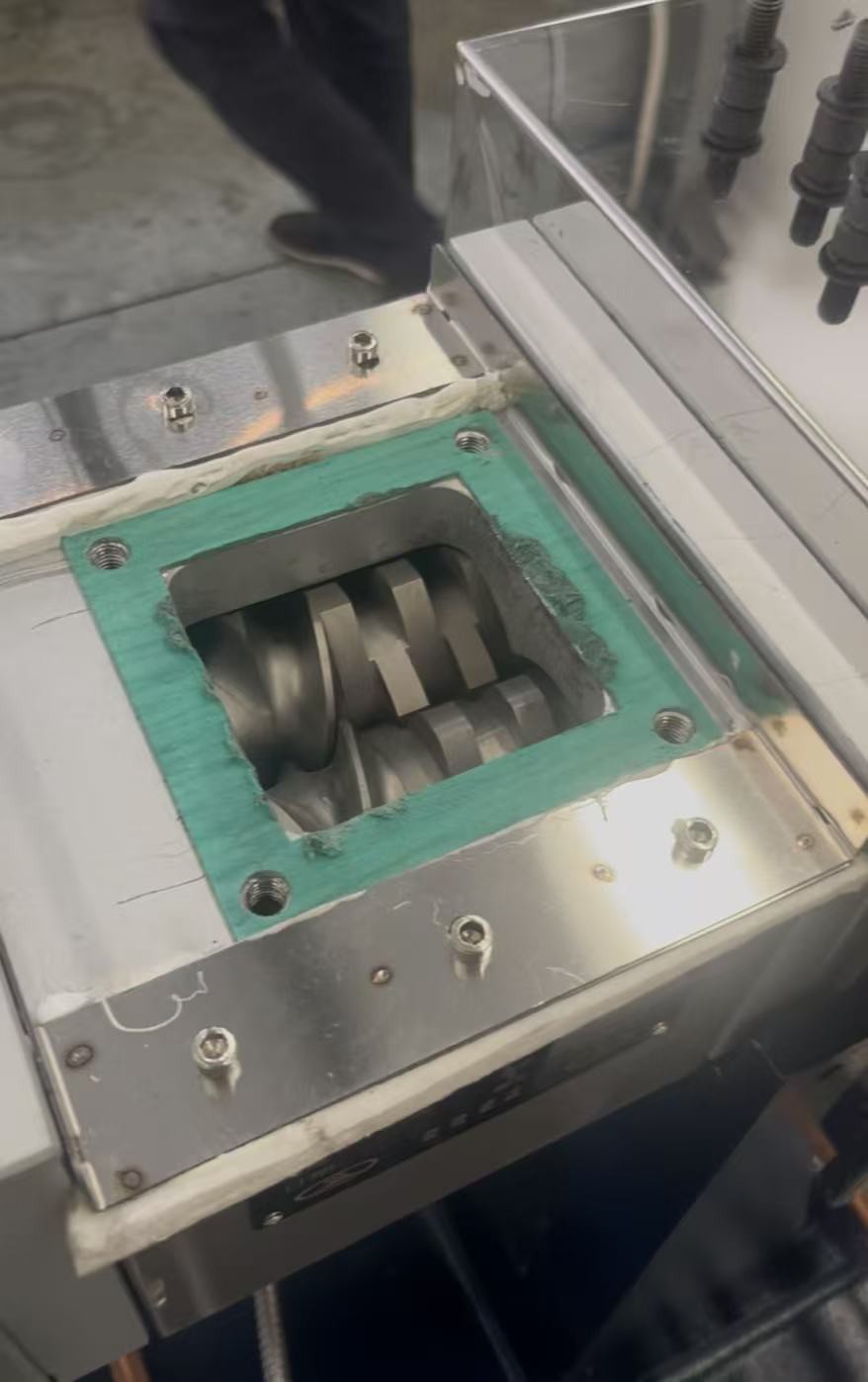
Twin-screw extruders power numerous industries:
Plastics and polymers: Used for composite engineering plastics, filler compounds, masterbatches, recycled materials, and biodegradable plastics.
Food industry: Producing snacks, cereals, textured plant proteins, and pet food through cooking extrusion.
Pharmaceutical industry: Used for hot melt extrusion in drug delivery systems, improving the solubility of active ingredients.
Other areas: Cable compounds, wood-plastic composites, battery materials, and specialty chemicals.
This technology supports the circular economy by efficiently processing recycled plastics and developing sustainable alternatives.
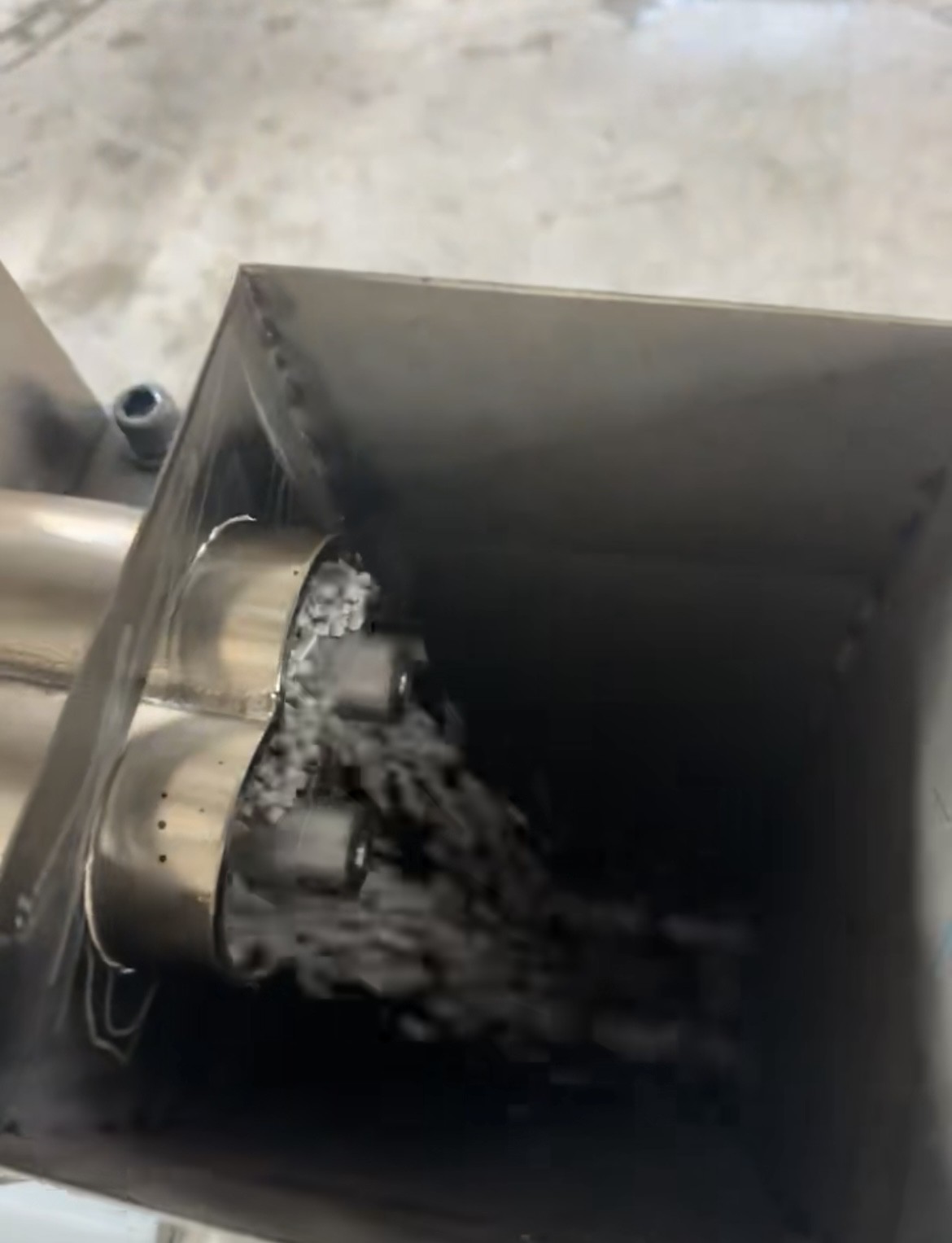
Key Advantages of the Production Line
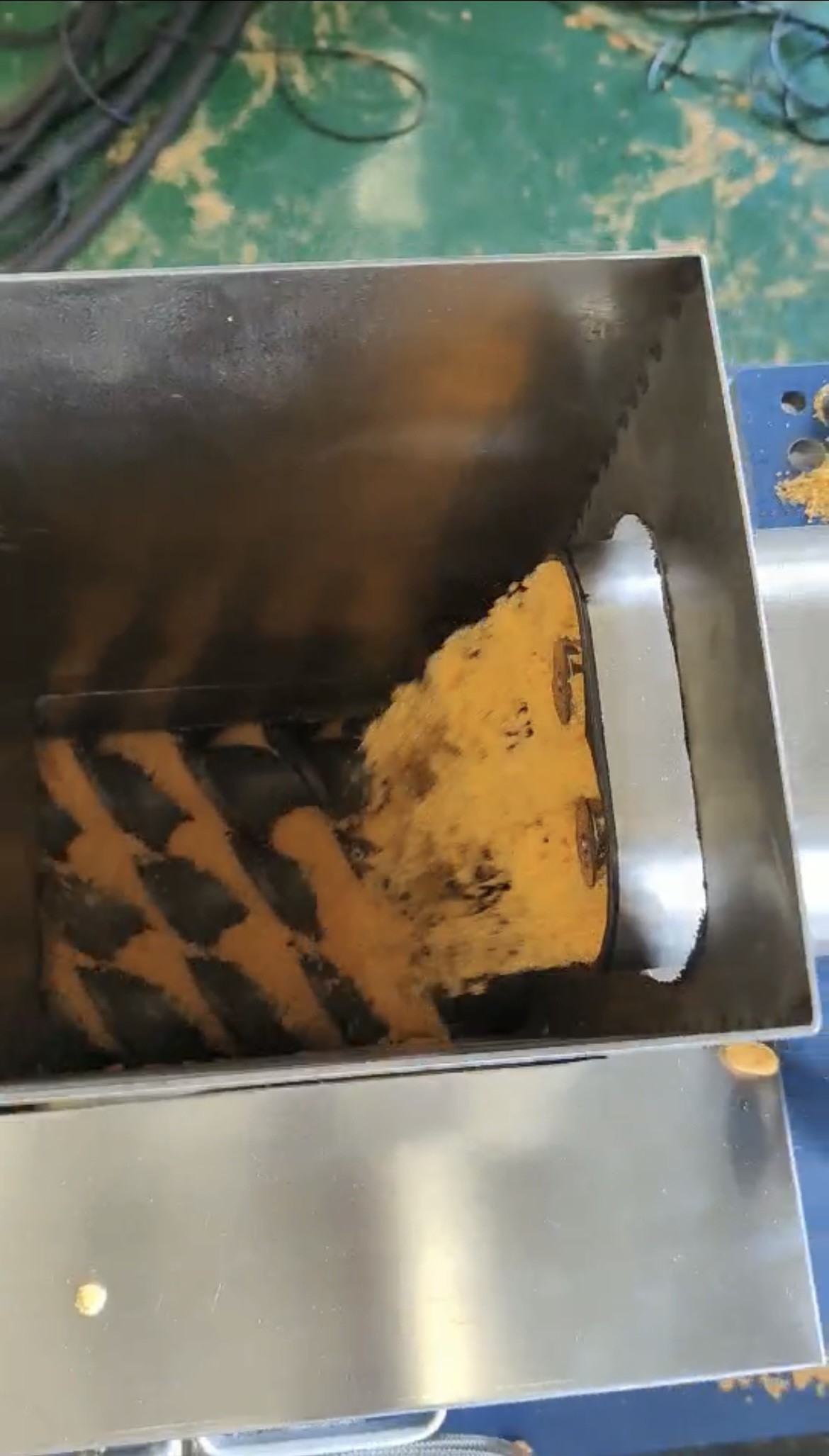
Operators consistently emphasize the following advantages:
Better mixing and dispersion: Crucial for homogeneous products with added additives.
Higher throughput and efficiency: Especially important in modular, high-torque designs.
Process flexibility: Easily adaptable to new formulations.
Higher product quality: Reduced degradation and improved uniformity.
Self-cleaning: Minimizes downtime during changeovers.
Scalability: From lab-scale to mass production.
These factors translate into lower overall operating costs and faster time-to-market for new products.
To maximize uptime, a focus should be placed on regularly inspecting the screw and barrel, ensuring proper alignment, and using high-quality, wear-resistant materials. Temperature control, feed consistency, and screw configuration are key to daily success. Many modern extruders now integrate smart sensors for predictive maintenance and real-time monitoring.
Future Trends in Twin-Screw Extrusion
The industry is moving towards smarter, more environmentally friendly solutions. The future is expected to see greater integration of Industry 4.0 features, such as AI-powered process optimization, IoT connectivity, and energy-efficient design. The growing demand for bioplastics, recycled materials, and pharmaceutical applications will drive further innovation.
Machines capable of handling complex, sustainable materials while maintaining high precision will lead the market.
Consider your primary feedstock, required output, mixing intensity, and future expansion plans. Partnering with an experienced supplier who can provide strong technical support, customization services, and after-sales support is crucial.
Ready to upgrade your extrusion capacity? Contact our team today to discuss your specific needs. Our experts can help you find the right twin-screw extruder configuration that matches your production goals and budget.