

Twin Screw Extruder Machines: Guide For Medium-to-Large Manufacturers
In today's competitive manufacturing landscape, companies running medium to high-volume production lines face constant pressure to improve output, reduce costs per kilogram, and maintain consistent quality across thousands of tons of material. For operations producing hundreds of kilograms per hour or more, the twin screw extruder machine has become the go-to solution for polymer compounding, masterbatch production, recycling, and specialty material processing.
This article draws on real-world insights from industrial installations to help plant managers and production directors evaluate when and how twin screw technology delivers measurable returns at scale.
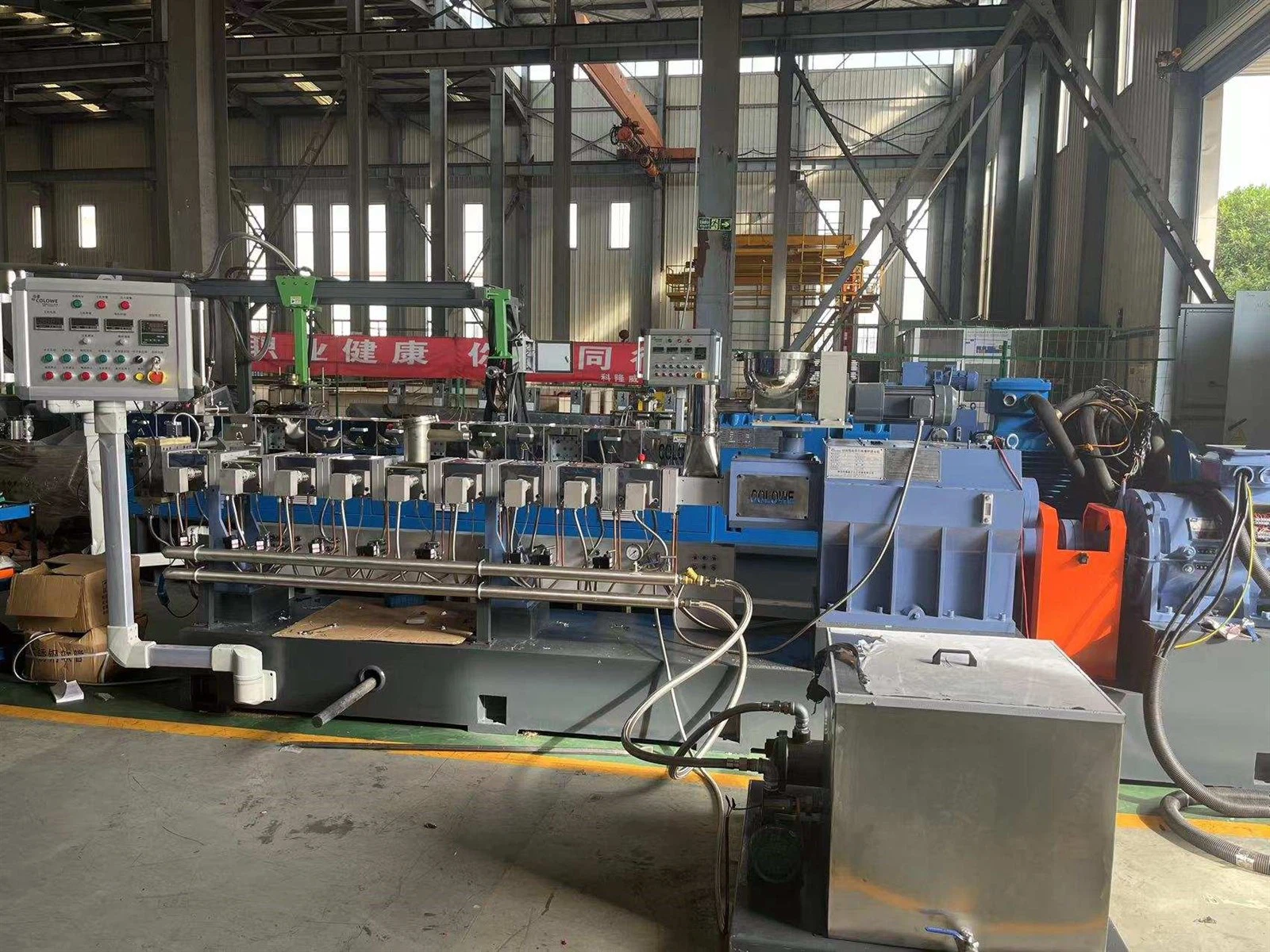
Why Twin Screw Extruders Dominate Medium and Large-Scale Operations
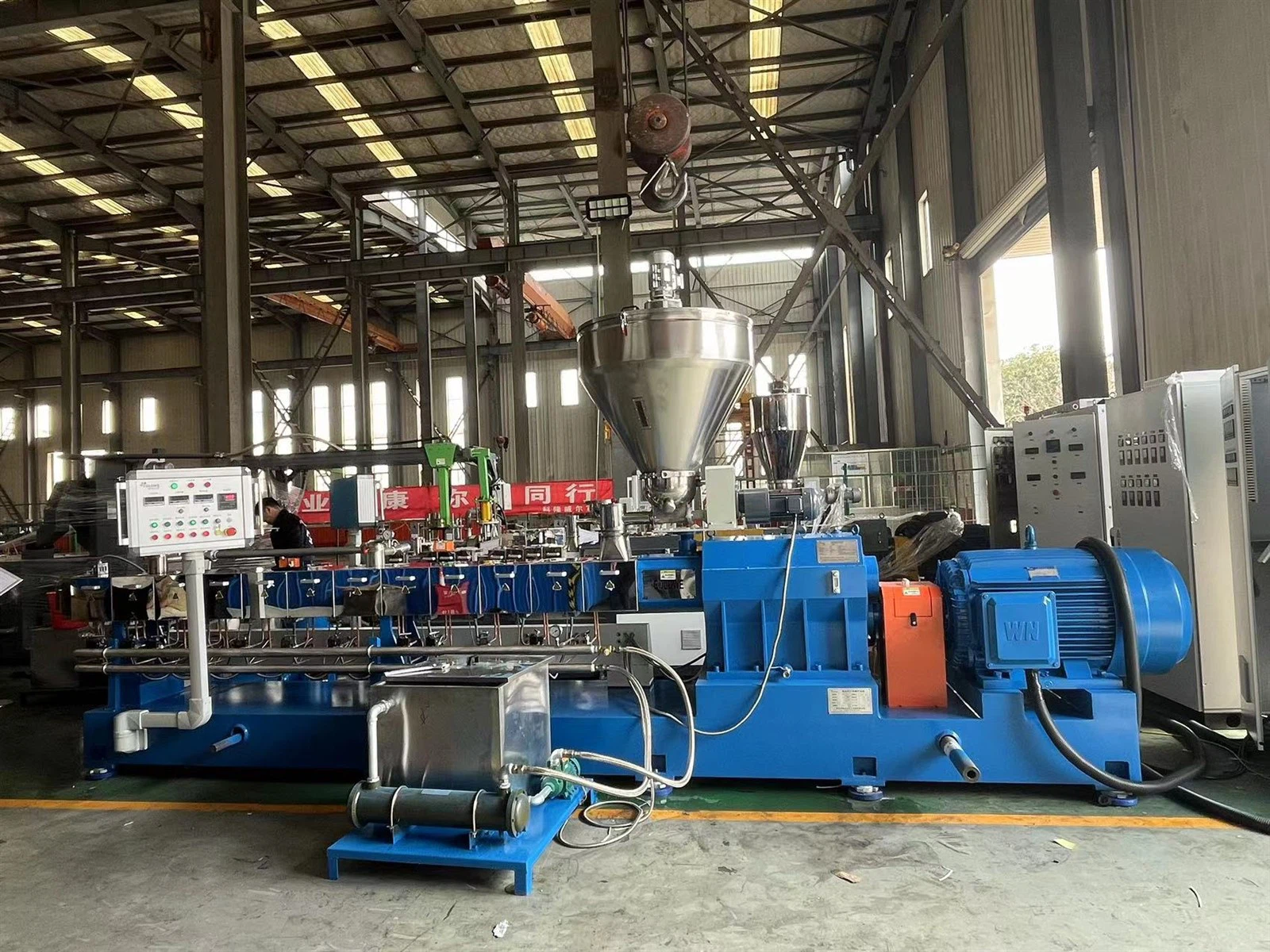
Single screw extruders still serve simple, high-volume profile or pipe applications effectively. However, once formulations grow more complex-filled compounds, reactive blends, devolatilization, or frequent recipe changes-twin screw systems provide clear advantages in flexibility and control.
Co-rotating parallel twin screw extruders, in particular, excel in high-throughput environments. Modern machines with screw diameters from 50mm to 133mm+ routinely achieve outputs from 300 kg/h up to several tons per hour, depending on material and configuration. Higher specific torque gearboxes (often 12–15 Nm/cm³ or more) allow operators to run at elevated speeds while maintaining melt quality.
Key operational benefits at scale include:
Excellent self-wiping action that minimizes downtime during material changes.
Superior distributive and dispersive mixing for uniform dispersion of high filler loadings (glass fiber, carbon black, talc, etc.).
Effective vacuum venting and side feeding, critical for moisture-sensitive or highly filled recipes.
Modular screw and barrel designs that let experienced teams reconfigure for new products without buying entirely new equipment.
Manufacturers running 24/7 operations particularly value the reduced specific energy consumption and stable long-term performance of well-maintained twin screw lines.
Polymer Compounding & Masterbatches Large compounders use twin screw extruders to produce engineering plastics, color and additive masterbatches, and reinforced materials. The ability to introduce additives downstream via side feeders protects heat-sensitive components and improves overall product consistency across multi-ton batches.
Recycling and Circular Economy Medium-to-large recyclers rely on twin screw technology for devolatilization and purification of post-consumer or post-industrial plastics. High degassing performance helps meet strict quality specifications for food-contact or high-value reprocessed materials.
Biodegradable and Specialty Materials As demand for PLA, PHA, and other bio-based compounds grows, producers scale up using twin screw lines optimized for gentle processing and reactive extrusion.
Other High-Volume Sectors Pet food and aquafeed producers, pharmaceutical contract manufacturers (hot-melt extrusion), and battery material processors all benefit from the precise residence time control and scalability of larger twin screw systems.
Selecting the Right Twin Screw Extruder for Your Capacity Needs
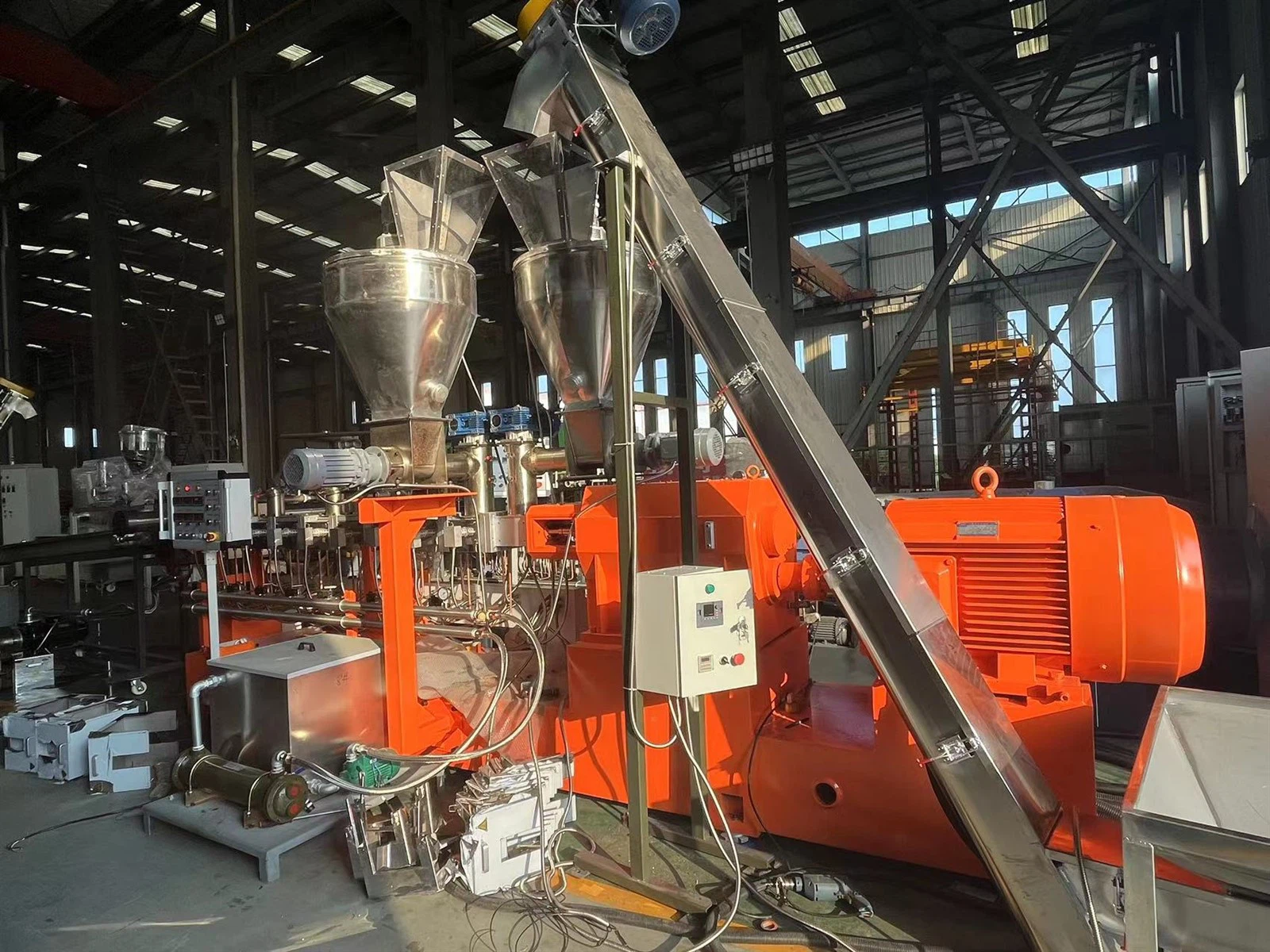
For medium-to-large producers, focus on these specification areas:
Screw Diameter and L/D Ratio: Diameters of 75mm and above typically suit sustained outputs above 500–1000+ kg/h. Longer L/D ratios (36:1 to 40:1 or higher) provide more process sections for complex recipes.
Torque and Drive Power: High-torque gearboxes are essential for heavily filled or viscous materials without sacrificing speed.
Feeding and Venting Configuration: Multiple side feeders and large-volume vacuum ports become critical as throughput increases.
Automation and Controls: Look for systems with recipe management, real-time monitoring, data logging, and predictive maintenance features to maximize uptime in continuous production.
Energy Efficiency: Newer IE4 motors, optimized screw geometries, and smart heating/cooling systems can deliver noticeable savings at high utilization rates.
Avoid oversizing or undersizing. A machine that runs comfortably at 60–80% of its maximum capacity often delivers the best long-term reliability and flexibility for varying orders.
At scale, wear on screws and barrels becomes a significant cost factor. Reputable suppliers offer high-wear-resistant bimetallic barrels and segmented screws that can be rebuilt rather than fully replaced. Implementing a proper preventive maintenance schedule-including regular torque checks, alignment verification, and scheduled inspections-helps plants achieve years of reliable service.
Another common issue is startup and changeover waste. Modern lines with advanced temperature and pressure control, combined with operator training, minimize this. Some producers report cutting transition losses substantially through optimized purge procedures and real-time process analytics.
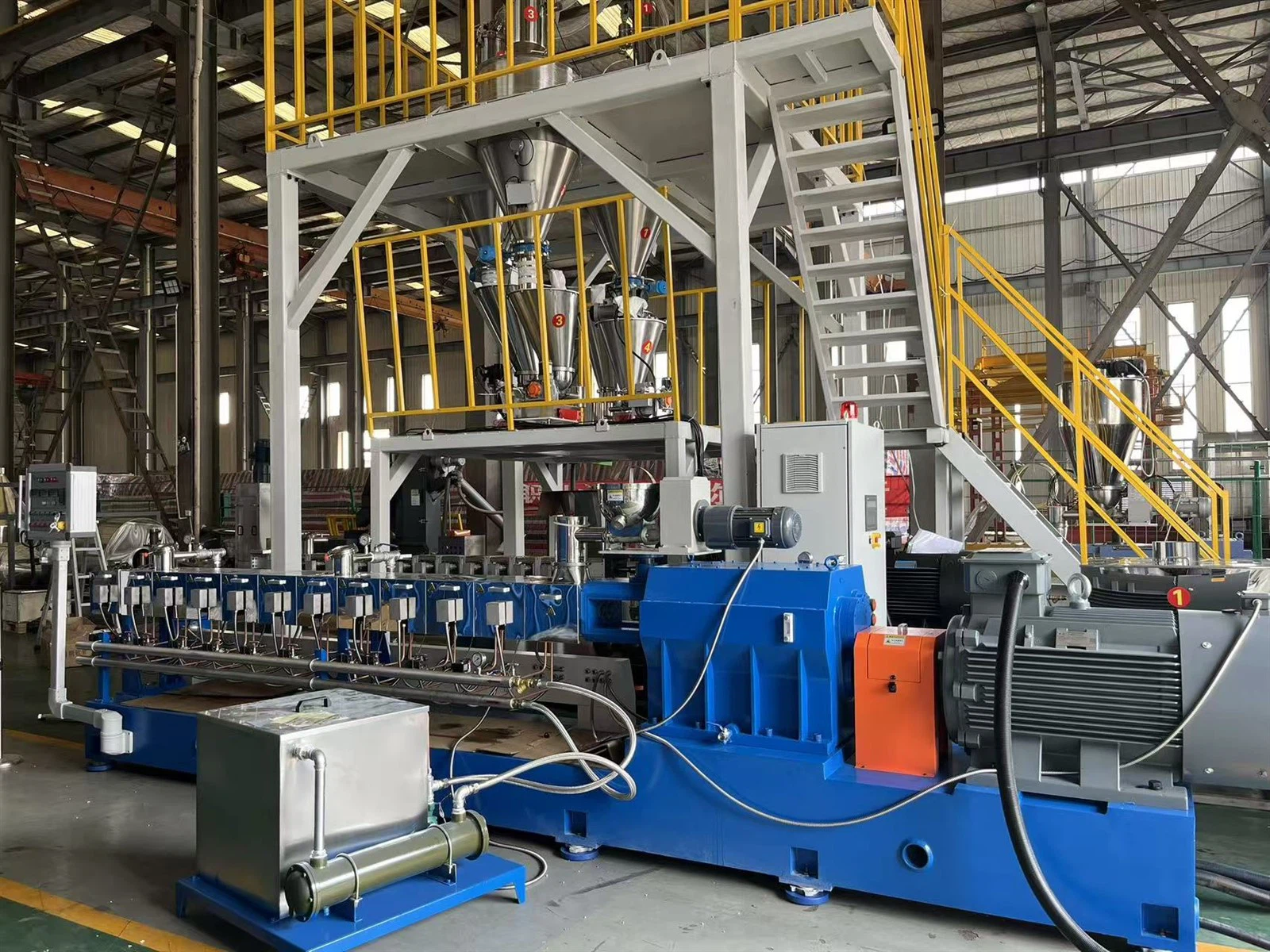
Future Outlook for Industrial Twin Screw Extrusion
The industry continues to push toward higher throughput without proportional increases in machine size. Trends include elevated torque density, better energy monitoring, integration with Industry 4.0 platforms, and designs optimized for recycled and bio-based feedstocks. For forward-looking manufacturers, these advancements translate into lower operating costs and stronger competitive positioning.
If you manage a medium or large-scale production facility and are evaluating new or upgraded extrusion capacity, the decision deserves careful technical and commercial analysis. Factors such as raw material variability, target output consistency, energy costs, and future product portfolio all influence the optimal configuration.
Our team works directly with industrial clients to assess existing lines, conduct material trials at representative scale, and configure turnkey solutions that match real production demands-not lab-scale assumptions.
Contact us today if you are planning a capacity expansion, process upgrade, or new high-volume compounding/recycling line. Provide details about your target throughput, primary materials, and key challenges, and we will arrange a technical discussion with our process engineers. Serious inquiries from production decision-makers are prioritized.
This article is intended for manufacturing professionals evaluating industrial-scale equipment. Small-scale or laboratory inquiries may not receive the same dedicated project support.


